

Every child experiences setbacks. A difficult test, a disagreement with a friend, not being selected for a team or finding a new skill harder than expected can all feel significant when you are young. What matters is not avoiding these challenges altogether, but developing the confidence and skills to respond to them.
This ability to adapt, recover and keep moving forward is known as resilience. For children, resilience can influence how they approach learning, relationships and unfamiliar situations. Rather than being something a child either has or does not have, resilience can be strengthened over time through supportive relationships, meaningful experiences and opportunities to overcome manageable challenges.
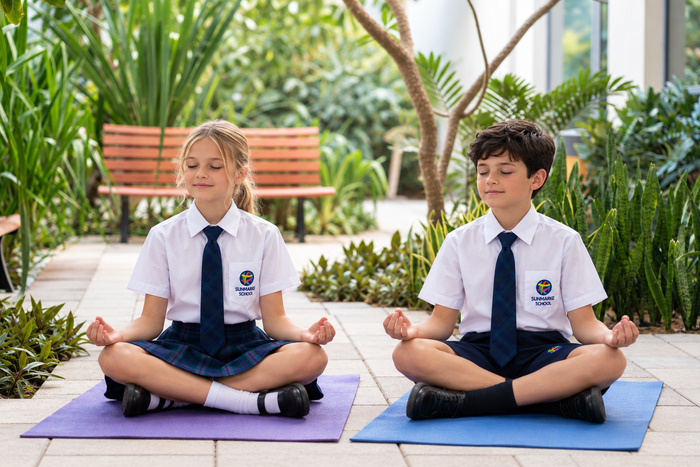
Building Resilience Through Everyday School Life
Schools play an important role because children encounter opportunities to practise resilience every day.
A challenging maths problem may require perseverance. Performing on stage can require courage. Team sport can teach children how to respond when things do not go their way, while collaborative projects help them navigate different opinions and solve problems together.
The goal is not to remove every difficulty. Instead, teachers can create a safe environment where children feel confident enough to make mistakes, reflect on what happened and try again.
At Sunmarke, resilience, wellbeing and mindset are embedded within its whole-school Positive Education (PosEd) approach, alongside academic learning.
From “I Can’t” to “I Can’t Yet”
An important part of resilience is developing a growth mindset: understanding that ability can develop through effort, strategies, feedback and practice.
For a child, this can mean shifting from “I’m not good at this” towards “I haven’t mastered this yet.”
A growth mindset does not mean telling children that everything is easy or praising effort regardless of the outcome. It means helping them recognise that mistakes provide useful information. Teachers can ask: What could you try differently? What did you learn? What strategy could help next time?
Over time, these conversations help children become more comfortable with challenge and less likely to see a setback as a reason to give up.
Positive Education and the Skills to Bounce Back
Positive Education takes resilience further by deliberately developing the emotional and social skills children need to flourish.
At Sunmarke, PosEd combines the science of Positive Psychology with teaching practices designed to develop wellbeing, character and academic success. Students are supported to build qualities including resilience, empathy, optimism, emotional intelligence, focus and leadership.
Children learn to understand and regulate emotions, recognise their strengths, build positive relationships and approach difficulties constructively. Sunmarke describes Positive Education not as an additional subject, but as an approach woven through daily school life and learning.
This is important because resilience can be taught and practised. Each time children solve a problem independently, manage disappointment appropriately, ask for help when they need it or try again after something goes wrong, they are strengthening their ability to cope with future challenges.
What Does a Resilient Child Look Like?
A resilient child is not a child who never becomes upset. They may still feel disappointed, frustrated or nervous.
The difference is in what happens next.
Resilient children gradually become better at calming themselves, talking about problems, seeking support appropriately, adapting when plans change and trying different approaches when something is difficult. They begin to understand that one mistake, result or disappointment does not define what they are capable of.
Building Resilience at Home and at School
Parents can strengthen the same skills by resisting the instinct to solve every problem immediately. Giving children space to think of possible solutions, acknowledging their feelings and praising progress, persistence and thoughtful strategies can help.
Adults can also model resilience themselves. When children hear a parent or teacher say, “That didn’t work, so I’ll try another way,” they see that setbacks are a normal part of learning.
Ultimately, raising resilient children is not about preparing them for a life without difficulties. It is about preparing them to face difficulties with confidence, perspective and the belief that they can grow through them.
Through Positive Education, supportive relationships and a culture where challenge is part of learning, Sunmarke aims to help children develop the resilience and character strengths they need to flourish in school and far beyond it.


